Section
Fluid Hero
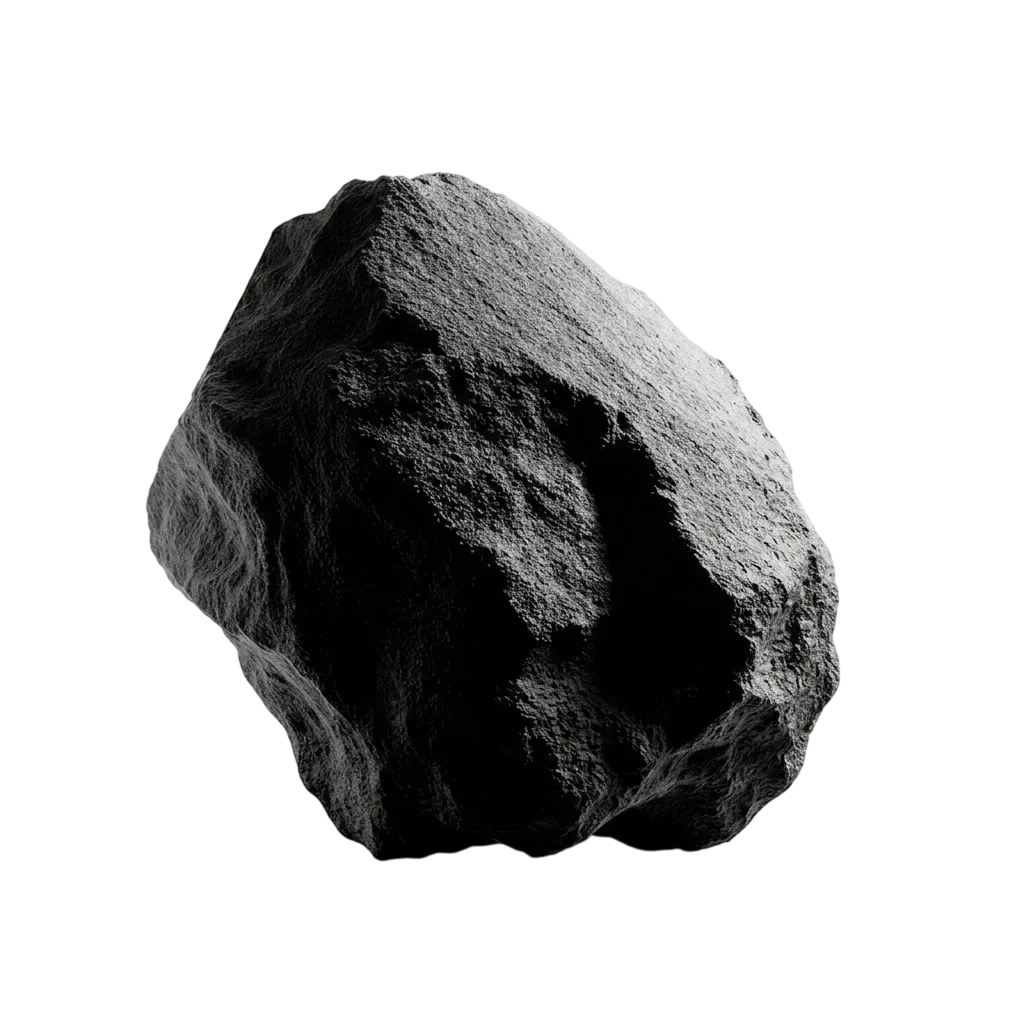
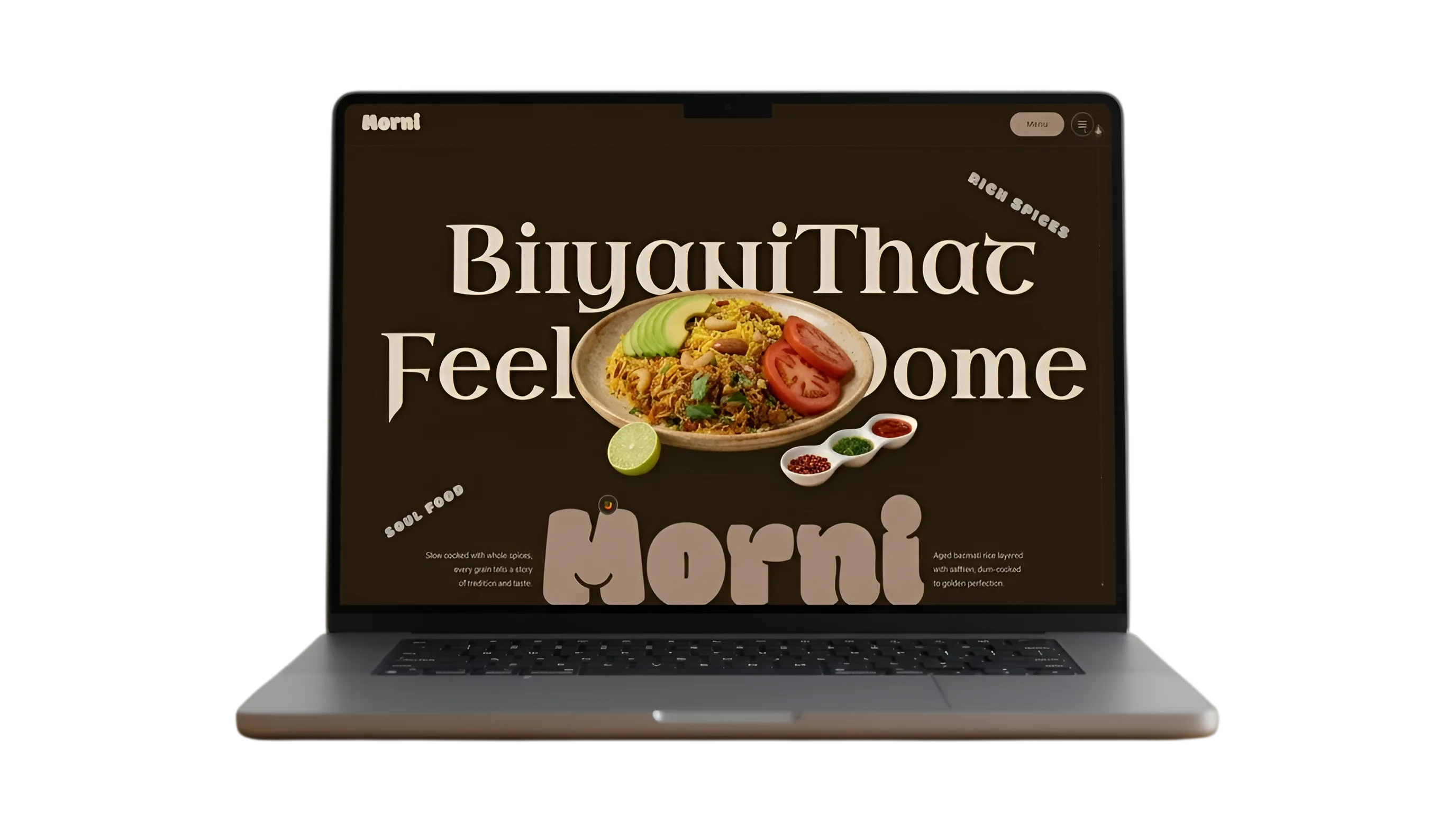
A pinned studio hero: rocks and brand words fly in and settle into orbit, a WebGL fluid cursor trails the pointer, and the whole frame shrinks and dims as it scrolls away.

BOLD
FLUID
PRECISE
BOLD
FLUID
PRECISE
Scroll
Move your cursor over it — open it in a new page for the pinned scroll
import FluidHero from "@/components/ui/fluid-hero";

export default function FluidHeroDemo({ fullscreen }: { fullscreen?: boolean }) {
  if (fullscreen) return <FluidHero />;

  return (
    <div className="w-full min-w-0 space-y-3">
      {/*
        The hero pins itself over two viewports and scrubs against window
        scroll, so the scrub is switched off in the docs frame — its own
        `disableScrollAnimations` prop exists for exactly this. The entrance,
        the float loops and the fluid cursor all still run.
      */}
      <div className="h-[560px] w-full overflow-hidden rounded-card border border-line">
        <FluidHero disableScrollAnimations />
      </div>

      <p className="text-center text-xs text-faint">
        Move your cursor over it — open it in a new page for the pinned scroll
      </p>
    </div>
  );
}Installation
1. Install the dependencies.
terminal npm install gsap three @react-three/fiber @react-three/drei clsx tailwind-merge2. Add the
cnhelper, if you don't already have it.lib/utils.ts import { clsx, type ClassValue } from "clsx"; import { twMerge } from "tailwind-merge"; export function cn(...inputs: ClassValue[]) { return twMerge(clsx(inputs)); }3. Copy the component into your project.
components/ui/fluid-hero.tsx 'use client' import { Suspense, lazy, useEffect, useRef, useState } from 'react' import gsap from 'gsap' import FluidCursor, { type FluidCursorHandle } from '@/components/ui/kinematics/fluid-cursor' import SplitText from '@/components/ui/kinematics/split-text' import { usePrefersReducedMotion } from '@/lib/use-prefers-reduced-motion' // three.js + @react-three/fiber + drei (LaptopDepthCard's whole dependency // tree) were the single biggest chunk of this page's JS bootup cost — a // Lighthouse audit showed ~3.4s of main-thread script evaluation on load, // almost entirely this library, for what's a purely decorative parallax // effect. Loading it lazily keeps that off the critical path for // interactivity (TBT/TTI). Tried ssr:false with an in-`loading` fallback // first, but that made LCP *worse* (4.5s -> 7.5s): ssr:false skips server // rendering entirely, so nothing paints in that slot until the client // bundle finishes downloading — later than before. Fixed by always // server-rendering a plain <Image> (see the JSX below) as a permanent // layer — fast LCP, identical to the 3D canvas's own colorMap texture — // with the dynamically-imported (still ssr:false, still off the critical // script-eval path) Canvas layered on top of it once it's actually ready. // Ported to React.lazy, which defers the import() the same way: Astro only // hydrates this island on the client, so there is no SSR pass to opt out of. const LaptopDepthCard = lazy(() => import('@/components/ui/kinematics/laptop-depth-card')) interface RockConfig { top: string left: string size: number rotate: number flip?: boolean opacity?: number } // Fixed, hand-placed layout (not runtime-random) so spacing stays // intentional and there's no SSR/CSR hydration mismatch. // Positions sit in a ring around the centered laptop — the middle of // the frame is left clear so nothing overlaps it. const ROCKS: RockConfig[] = [ { top: '8%', left: '6%', size: 180, rotate: -18 }, // top-left { top: '4%', left: '42%', size: 160, rotate: 12 }, // top-center, above laptop { top: '10%', left: '84%', size: 130, rotate: 16 }, // top-right { top: '45%', left: '6%', size: 140, rotate: 28, flip: true }, // mid-left { top: '50%', left: '80%', size: 225, rotate: -10 }, // mid-right — largest { top: '78%', left: '12%', size: 120, rotate: 42, opacity: 0.85 }, // bottom-left { top: '84%', left: '42%', size: 165, rotate: -32, flip: true }, // bottom-center, below laptop ] interface WordConfig { text: string top: string left?: string right?: string align: 'left' | 'right' } // Same right value on PRECISE and the scroll cue below it — using the CSS // `right` property (not `left`) is what guarantees their right edges land // flush, regardless of how wide each element's own content is. const PRECISE_RIGHT_EDGE = '8%' // Three words orbiting the laptop, pushed out clear of it (and every rock's // footprint) so they never get blocked by the laptop's own opaque pixels. const BRAND_WORDS: WordConfig[] = [ { text: 'BOLD', top: '24%', left: '72%', align: 'left' }, { text: 'FLUID', top: '50%', left: '4%', align: 'left' }, { text: 'PRECISE', top: '68%', right: PRECISE_RIGHT_EDGE, align: 'right' }, ] // Rocks finish landing at 0.15 + 6*0.07 + 0.9 ≈ 1.47s (see the entry tween // below) — text waits until they've settled before it starts revealing. const ROCKS_SETTLE = 1.5 // Shared SplitText entrance tuning for the brand words — a per-letter reveal // that only runs on the solid layer below (the hollow layer just fades in // in sync, so there's exactly one letter-by-letter animation per word, not // two competing ones). Each word's own `startDelay` staggers BOLD -> FLUID // -> PRECISE -> Scroll one after another, starting once the rocks have landed. const WORD_SPLIT_PROPS = { splitType: 'chars' as const, duration: 0.6, delay: 80, ease: 'power2.out', from: { opacity: 0, y: -30 }, to: { opacity: 1, y: 0 }, } function CanvasLive({ onLive }: { onLive: (live: boolean) => void }) { useEffect(() => { onLive(true) return () => onLive(false) }, [onLive]) return null } export default function FluidHero({ disableScrollAnimations = false }: { disableScrollAnimations?: boolean }) { const floatRefs = useRef<(HTMLDivElement | null)[]>([]) const spinRefs = useRef<(HTMLDivElement | null)[]>([]) const laptopFloatRef = useRef<HTMLDivElement | null>(null) const fluidRef = useRef<FluidCursorHandle | null>(null) const hollowWordRefs = useRef<(HTMLSpanElement | null)[]>([]) const scrollArrowRef = useRef<SVGSVGElement | null>(null) const heroShrinkRef = useRef<HTMLDivElement | null>(null) const dimOverlayRef = useRef<HTMLDivElement | null>(null) const pinContainerRef = useRef<HTMLDivElement | null>(null) const [hoveredWord, setHoveredWord] = useState<number | null>(null) const [scrollHovered, setScrollHovered] = useState(false) // LaptopDepthCard's whole shader/parallax effect only ever reacts to // onPointerEnter/onPointerMove (hover) — touch devices can never trigger // it. Starts false (matches the SSR/first-paint output, avoiding a // hydration mismatch) and flips true only when the device actually has a // real hover-capable pointer, same check CustomCursor.tsx already uses. // Since `lazy(() => import(...))` only fires its import() the first // time the component is actually rendered, gating the render like this // means touch/mobile visitors never download or execute three.js, // @react-three/fiber, or drei at all — previously the single biggest // chunk of this page's JS bootup cost for every visitor, hover-capable or // not. const [canHover, setCanHover] = useState(false) // The still below the canvas is a first-paint placeholder, not a permanent // layer: the laptop texture has a transparent background, so once the // canvas draws it displaced by the parallax, the untouched still shows // through as a second, stationary laptop. const [cardLive, setCardLive] = useState(false) const reducedMotion = usePrefersReducedMotion() useEffect(() => { setCanHover(window.matchMedia('(hover: hover) and (pointer: fine)').matches) }, []) useEffect(() => { // gsap.context + revert() so React Strict Mode's dev-only double-invoke // of effects (mount -> cleanup -> mount) properly kills the first // pass's entry tweens before the second pass starts fresh ones — // without this, both passes fight over the same elements/properties // and can leave them stuck at an intermediate scale/position. const ctx = gsap.context(() => { // Reduced motion: every element here lands directly at its resting // state — no fly-in-from-center entrance, and critically none of the // infinite float/spin/yoyo loops (rocks drifting and rotating // forever, the laptop bobbing, the scroll arrow bouncing), which are // exactly the kind of continuous motion prefers-reduced-motion exists // to suppress. if (reducedMotion) { floatRefs.current.forEach((el, i) => { if (!el) return gsap.set(el, { x: 0, y: 0, scale: 1, opacity: ROCKS[i]?.opacity ?? 1 }) }) hollowWordRefs.current.forEach((el) => { if (el) gsap.set(el, { opacity: 1 }) }) if (scrollArrowRef.current) gsap.set(scrollArrowRef.current, { opacity: 1, y: 0 }) return } const centerX = window.innerWidth / 2 const centerY = window.innerHeight / 2 // Entry: every rock starts tiny, at the screen's center, invisible — // then flies out to its resting spot, overshooting to 110% size before // settling to 100%. The continuous float/spin loops only start once // that settle finishes, so they don't fight the entry tween for the // same x/y/scale properties. floatRefs.current.forEach((el, i) => { if (!el) return const rect = el.getBoundingClientRect() const dx = centerX - (rect.left + rect.width / 2) const dy = centerY - (rect.top + rect.height / 2) const targetOpacity = ROCKS[i]?.opacity ?? 1 gsap.fromTo( el, { x: dx, y: dy, scale: 0.15, opacity: 0 }, { x: 0, y: 0, scale: 1.1, opacity: targetOpacity, duration: 0.9, delay: 0.15 + i * 0.07, ease: 'power3.out', onComplete: () => { gsap.to(el, { scale: 1, duration: 0.35, ease: 'power2.out' }) gsap.to(el, { y: '+=16', duration: 3.2 + i * 0.4, ease: 'sine.inOut', yoyo: true, repeat: -1, }) }, } ) }) spinRefs.current.forEach((el, i) => { if (!el) return gsap.to(el, { rotation: `+=${i % 2 === 0 ? 360 : -360}`, duration: 24 + i * 5, ease: 'none', repeat: -1, delay: 1, }) }) if (laptopFloatRef.current) { gsap.to(laptopFloatRef.current, { y: '+=18', duration: 3.6, ease: 'sine.inOut', yoyo: true, repeat: -1, }) } // Hollow word layer just fades in as a whole, synced to the same start // as its solid counterpart's per-letter reveal — it's the laptop-side // cutout of the same word, not a second animation of its own. hollowWordRefs.current.forEach((el, i) => { if (!el) return gsap.fromTo( el, { opacity: 0 }, { opacity: 1, duration: 0.6, delay: ROCKS_SETTLE + i * 0.5, ease: 'power2.out' } ) }) // Brand words animate in via <SplitText> (per-character reveal); the // "Scroll" label does too, once the words are done — only the arrow // icon still needs a manual tween, since it isn't text. if (scrollArrowRef.current) { gsap.fromTo( scrollArrowRef.current, { opacity: 0 }, { opacity: 1, duration: 0.3, delay: 4.5, ease: 'power2.out', onComplete: () => { gsap.to(scrollArrowRef.current, { y: 8, duration: 1.1, ease: 'sine.inOut', yoyo: true, repeat: -1, }) }, } ) } }) return () => ctx.revert() }, [reducedMotion]) // Proximity shrink: the fluid cursor's splat radius tapers down the // closer the mouse gets to the laptop, reaching its smallest well before // actually touching it (then LaptopDepthCard's own hover handlers take // over and fade it out entirely once inside). useEffect(() => { const laptopEl = laptopFloatRef.current if (!laptopEl) return const PROXIMITY_RANGE = 320 const MIN_SCALE = 0.3 const targetScale = { current: 1 } const currentScale = { current: 1 } let rafId = 0 const onMouseMove = (e: MouseEvent) => { const rect = laptopEl.getBoundingClientRect() const dx = Math.max(rect.left - e.clientX, 0, e.clientX - rect.right) const dy = Math.max(rect.top - e.clientY, 0, e.clientY - rect.bottom) const dist = Math.hypot(dx, dy) const t = Math.min(dist / PROXIMITY_RANGE, 1) targetScale.current = MIN_SCALE + (1 - MIN_SCALE) * t } const tick = () => { currentScale.current += (targetScale.current - currentScale.current) * 0.15 fluidRef.current?.setRadiusScale(currentScale.current) rafId = requestAnimationFrame(tick) } window.addEventListener('mousemove', onMouseMove) rafId = requestAnimationFrame(tick) return () => { window.removeEventListener('mousemove', onMouseMove) cancelAnimationFrame(rafId) } }, []) // Scroll-driven handoff, pinned: the hero's own wrapper (pinContainerRef) // is EXTRA_VH viewports taller than the sticky hero itself, so the sticky // positioning holds the hero fixed on screen for that entire extra range — // the page only continues scrolling past it once the shrink is done. While // pinned, `travel` (0 -> 1 across that range, from the container's own // position, not raw absolute scroll) drives the hero shrinking to 50% // scale, corners rounding up to 50px, and a dark overlay dimming to 70%. useEffect(() => { // Skipped when embedded somewhere this scroll-driven pin/shrink can't // sensibly measure against (e.g. a tiny transformed preview elsewhere on // the page, rather than this section actually sitting in the real page // flow) — the shrink/dim values just stay at their resting defaults // (scale 1, no dim) instead of reacting to nonsensical position math. // Also skipped for reduced motion: the wrapper below drops its extra // EXTRA_VH of pin range entirely in that case (h-dvh instead of // h-[200vh]), so there's no pinned scroll-jacked range left to drive // this shrink/dim scrub against — the hero just sits at its normal // scale, scrolling away like any other section. if (disableScrollAnimations || reducedMotion) return const container = pinContainerRef.current const shrink = heroShrinkRef.current const overlay = dimOverlayRef.current if (!container || !shrink || !overlay) return const MIN_SCALE = 0.5 const MAX_DIM = 0.7 const MAX_RADIUS = 50 const update = () => { const extra = container.offsetHeight - window.innerHeight const top = container.getBoundingClientRect().top const travel = extra > 0 ? Math.min(Math.max(-top / extra, 0), 1) : 0 const scale = 1 - travel * (1 - MIN_SCALE) // shrink's transform-origin defaults to its own center, which is also // exactly where the (absolutely-centered) laptop wrapper sits below — // so scaling the whole hero shrinks the laptop in place around that // shared center point rather than dragging it off-position. shrink.style.transform = `scale(${scale})` shrink.style.borderRadius = `${travel * MAX_RADIUS}px` overlay.style.opacity = String(travel * MAX_DIM) } update() // `update` only reads getBoundingClientRect, so the native scroll event // drives it exactly as Lenis's own did. window.addEventListener('scroll', update, { passive: true }) window.addEventListener('resize', update) return () => { window.removeEventListener('scroll', update) window.removeEventListener('resize', update) } }, [disableScrollAnimations, reducedMotion]) return ( // h-[200vh]: 100vh for the hero itself + 100vh (EXTRA_VH) of pin range // that the sticky child below consumes as it plays the shrink/dim — // dropped entirely for reduced motion (see the effect above), so // there's no dead pinned scroll range for that scrub to fill. <div ref={pinContainerRef} className={`relative w-full ${reducedMotion ? 'h-dvh' : 'h-[200vh]'}`}> <div className="sticky top-0 h-dvh w-full overflow-hidden"> <div ref={heroShrinkRef} className="relative w-full h-full overflow-hidden" style={{ willChange: 'transform', borderRadius: 0 }} > {/* Background */} <div className="absolute inset-0 z-0"> <img src="/kine/kinematic-studio-web-agency-kuwait-hero.webp" alt="Kinematic Studio — web agency Kuwait" loading="eager" className="absolute inset-0 h-full w-full object-cover object-center" /> </div> {/* Liquid cursor — scoped to the hero so its stacking order is a true sibling of the background/rocks/laptop below, instead of fighting this section's own (sticky-induced) stacking context from outside. */} <FluidCursor ref={fluidRef} splatRadius={0.22} densityDissipation={7} /> {/* Scattered rocks — above the fluid cursor (z-30) so it never covers them */} <div className="absolute inset-0 z-40"> {ROCKS.slice(0, 7).map((rock, i) => ( <div key={i} ref={(el) => { floatRefs.current[i] = el }} className="absolute" style={{ top: rock.top, left: rock.left, width: rock.size, height: rock.size, opacity: rock.opacity ?? 1, }} > <div ref={(el) => { spinRefs.current[i] = el }} className="relative w-full h-full" style={{ transform: `rotate(${rock.rotate}deg) ${rock.flip ? 'scaleX(-1)' : ''}`, }} > <img src="/kine/hero-decorative-rock-accent.webp" alt="" aria-hidden className="absolute inset-0 h-full w-full object-contain" style={{ filter: 'brightness(0.55) saturate(1.1) drop-shadow(0 12px 24px rgba(0,0,0,0.55))' }} loading="eager" /> </div> </div> ))} </div> {/* Brand words — solid layer, sits BELOW the laptop (z-35 < laptop's z-40). Wherever the laptop's opaque pixels cover a word, this solid copy is hidden behind it; the hollow copy below takes over there. */} <div className="absolute inset-0 z-[35] pointer-events-none hidden md:block"> {BRAND_WORDS.map((word, i) => ( <div key={word.text} className="absolute" style={{ top: word.top, left: word.left, right: word.right }}> <SplitText text={word.text} tag="span" textAlign={word.align} className={`font-display uppercase tracking-[0.1em] font-bold text-[80px] lg:text-[120px] leading-none transition-colors duration-300 ${ hoveredWord === i ? 'text-white' : 'text-primary' }`} startDelay={ROCKS_SETTLE + i * 0.5} {...WORD_SPLIT_PROPS} /> </div> ))} </div> {/* Centered laptop — above the fluid cursor (z-30) so it never covers it. Centering lives on this static outer wrapper only; the inner div (laptopFloatRef) starts with no transform of its own so GSAP's entry/float scale+y tweens don't have to fight Tailwind's percentage-based translate for the same `transform` property. */} <div className="absolute top-1/2 left-1/2 -translate-x-1/2 -translate-y-1/2 z-40" style={{ width: 'clamp(260px, 80vw, 860px)', aspectRatio: '2752 / 1536' }} > <div ref={laptopFloatRef} className="relative w-full h-full"> {/* Permanent, server-rendered fallback — the exact same texture LaptopDepthCard uses as its own colorMap, so there's no visual swap/flash once the lazy 3D canvas (rendered on top, once its chunk loads) takes over. Keeps this slot's first paint on the fast, SSR'd critical path regardless of how long three.js takes to arrive. */} <img src="/kine/morni-laptop-showcase-web-design-kuwait.webp" alt="Kinematic Studio project shown on a laptop" loading="eager" className={`absolute inset-0 h-full w-full object-cover transition-opacity duration-500 ${ cardLive ? 'opacity-0' : 'opacity-100' }`} /> <div className="absolute inset-0"> {canHover && ( <Suspense fallback={null}> <LaptopDepthCard fluidRef={fluidRef} /> {/* Only mounts once the lazy chunk has resolved, so the still stays put if the canvas never arrives. */} <CanvasLive onLive={setCardLive} /> </Suspense> )} </div> </div> </div> {/* Brand words — hollow layer, sits ABOVE the laptop (z-45 > laptop's z-40). Transparent fill, no stroke — where the laptop's opaque pixels are underneath, this is the only copy present, so that part of the word reads as a true empty cutout instead of solid. */} <div className="absolute inset-0 z-[45] pointer-events-none hidden md:block"> {BRAND_WORDS.map((word, i) => ( <div key={word.text} className="absolute pointer-events-auto" onMouseEnter={() => setHoveredWord(i)} onMouseLeave={() => setHoveredWord((current) => (current === i ? null : current))} style={{ top: word.top, left: word.left, right: word.right }} > <span ref={(el) => { hollowWordRefs.current[i] = el }} className={`block font-display uppercase tracking-[0.1em] font-bold text-[80px] lg:text-[120px] leading-none text-transparent ${ word.align === 'right' ? 'text-right' : 'text-left' }`} style={{ opacity: 0 }} > {word.text} </span> </div> ))} </div> {/* Scroll cue — tucked below PRECISE, right edges flush via the same `right` anchor (not `left` — matching `right` values is what keeps two differently-sized elements' right edges aligned). */} <div className="absolute z-40 flex flex-col items-center gap-3" style={{ top: '88%', right: PRECISE_RIGHT_EDGE }} onMouseEnter={() => setScrollHovered(true)} onMouseLeave={() => setScrollHovered(false)} > <SplitText text="Scroll" tag="span" textAlign="center" className={`font-body uppercase tracking-[0.4em] font-bold text-2xl lg:text-3xl transition-colors duration-300 ${ scrollHovered ? 'text-white' : 'text-black' }`} splitType="chars" duration={0.5} delay={70} ease="power2.out" startDelay={3.6} from={{ opacity: 0, y: -20 }} to={{ opacity: 1, y: 0 }} /> <svg ref={scrollArrowRef} width="22" height="34" viewBox="0 0 22 34" fill="none" xmlns="http://www.w3.org/2000/svg" > <path d="M11 1V29M11 29L2 20M11 29L20 20" stroke="var(--color-primary)" strokeWidth="2" strokeLinecap="round" strokeLinejoin="round" /> </svg> </div> </div> {/* Dims the whole hero as it shrinks away, on top of everything (laptop included) but below nothing — it's the last thing to fade in, and covers the full sticky viewport regardless of how far the content beneath it has scaled down. */} <div ref={dimOverlayRef} className="absolute inset-0 z-[50] bg-black pointer-events-none" style={{ opacity: 0 }} /> </div> </div> ) }components/ui/kinematics/fluid-cursor.tsx 'use client' import { forwardRef, useEffect, useImperativeHandle, useRef } from 'react' interface ColorRGB { r: number g: number b: number } export interface FluidCursorHandle { canvas: HTMLCanvasElement | null wrapper: HTMLDivElement | null /** Multiplies every splat radius (1 = normal, <1 = tighter blob). */ setRadiusScale: (scale: number) => void } interface FluidCursorProps { simResolution?: number dyeResolution?: number captureResolution?: number densityDissipation?: number velocityDissipation?: number pressure?: number pressureIterations?: number curl?: number splatRadius?: number splatForce?: number shading?: boolean colorUpdateSpeed?: number backColor?: ColorRGB transparent?: boolean className?: string /** Solid color the fluid renders in (0-1 per channel). Defaults to black. */ color?: ColorRGB } interface Pointer { id: number texcoordX: number texcoordY: number prevTexcoordX: number prevTexcoordY: number deltaX: number deltaY: number down: boolean moved: boolean color: ColorRGB } function pointerPrototype(): Pointer { return { id: -1, texcoordX: 0, texcoordY: 0, prevTexcoordX: 0, prevTexcoordY: 0, deltaX: 0, deltaY: 0, down: false, moved: false, color: { r: 0, g: 0, b: 0 }, } } const FluidCursor = forwardRef<FluidCursorHandle, FluidCursorProps>(function FluidCursor( { simResolution = 128, dyeResolution = 1440, captureResolution = 512, densityDissipation = 3.5, velocityDissipation = 2, pressure = 0.1, pressureIterations = 20, curl = 3, splatRadius = 0.2, splatForce = 6000, shading = true, colorUpdateSpeed = 10, backColor = { r: 0.5, g: 0, b: 0 }, transparent = true, className, color = { r: 0, g: 0, b: 0 }, }: FluidCursorProps, forwardedRef ) { const canvasRef = useRef<HTMLCanvasElement | null>(null) const wrapperRef = useRef<HTMLDivElement | null>(null) const radiusScaleRef = useRef(1) useImperativeHandle(forwardedRef, () => ({ get canvas() { return canvasRef.current }, get wrapper() { return wrapperRef.current }, setRadiusScale(scale: number) { radiusScaleRef.current = scale }, })) useEffect(() => { const canvas = canvasRef.current if (!canvas) return let cancelled = false const pointers: Pointer[] = [pointerPrototype()] const config = { SIM_RESOLUTION: simResolution, DYE_RESOLUTION: dyeResolution, CAPTURE_RESOLUTION: captureResolution, DENSITY_DISSIPATION: densityDissipation, VELOCITY_DISSIPATION: velocityDissipation, PRESSURE: pressure, PRESSURE_ITERATIONS: pressureIterations, CURL: curl, SPLAT_RADIUS: splatRadius, SPLAT_FORCE: splatForce, SHADING: shading, COLOR_UPDATE_SPEED: colorUpdateSpeed, PAUSED: false, BACK_COLOR: backColor, TRANSPARENT: transparent, COLOR: color, } function getWebGLContext(canvas: HTMLCanvasElement) { const params = { alpha: true, depth: false, stencil: false, antialias: false, // Needed so the laptop's hover-lens shader can sample this canvas as // a texture (THREE.CanvasTexture) without racing the browser's // implicit clear-on-next-frame. preserveDrawingBuffer: true, } let gl = canvas.getContext('webgl2', params) as WebGL2RenderingContext | null if (!gl) { gl = (canvas.getContext('webgl', params) || canvas.getContext('experimental-webgl', params)) as WebGL2RenderingContext | null } if (!gl) { return { gl: null, ext: null } } const isWebGL2 = 'drawBuffers' in gl let supportLinearFiltering = false let halfFloat: { HALF_FLOAT_OES: number } | null = null if (isWebGL2) { ;(gl as WebGL2RenderingContext).getExtension('EXT_color_buffer_float') supportLinearFiltering = !!(gl as WebGL2RenderingContext).getExtension('OES_texture_float_linear') } else { halfFloat = gl.getExtension('OES_texture_half_float') supportLinearFiltering = !!gl.getExtension('OES_texture_half_float_linear') } gl.clearColor(0, 0, 0, 1) const halfFloatTexType = isWebGL2 ? (gl as WebGL2RenderingContext).HALF_FLOAT : (halfFloat && halfFloat.HALF_FLOAT_OES) || 0 let formatRGBA: { internalFormat: number; format: number } | null let formatRG: { internalFormat: number; format: number } | null let formatR: { internalFormat: number; format: number } | null if (isWebGL2) { const gl2 = gl as WebGL2RenderingContext formatRGBA = getSupportedFormat(gl, gl2.RGBA16F, gl.RGBA, halfFloatTexType) formatRG = getSupportedFormat(gl, gl2.RG16F, gl2.RG, halfFloatTexType) formatR = getSupportedFormat(gl, gl2.R16F, gl2.RED, halfFloatTexType) } else { formatRGBA = getSupportedFormat(gl, gl.RGBA, gl.RGBA, halfFloatTexType) formatRG = getSupportedFormat(gl, gl.RGBA, gl.RGBA, halfFloatTexType) formatR = getSupportedFormat(gl, gl.RGBA, gl.RGBA, halfFloatTexType) } return { gl, ext: { formatRGBA, formatRG, formatR, halfFloatTexType, supportLinearFiltering, }, } } function getSupportedFormat( gl: WebGLRenderingContext | WebGL2RenderingContext, internalFormat: number, format: number, type: number ): { internalFormat: number; format: number } | null { if (!supportRenderTextureFormat(gl, internalFormat, format, type)) { if ('drawBuffers' in gl) { const gl2 = gl as WebGL2RenderingContext switch (internalFormat) { case gl2.R16F: return getSupportedFormat(gl2, gl2.RG16F, gl2.RG, type) case gl2.RG16F: return getSupportedFormat(gl2, gl2.RGBA16F, gl2.RGBA, type) default: return null } } return null } return { internalFormat, format } } function supportRenderTextureFormat( gl: WebGLRenderingContext | WebGL2RenderingContext, internalFormat: number, format: number, type: number ) { const texture = gl.createTexture() if (!texture) return false gl.bindTexture(gl.TEXTURE_2D, texture) gl.texParameteri(gl.TEXTURE_2D, gl.TEXTURE_MIN_FILTER, gl.NEAREST) gl.texParameteri(gl.TEXTURE_2D, gl.TEXTURE_MAG_FILTER, gl.NEAREST) gl.texParameteri(gl.TEXTURE_2D, gl.TEXTURE_WRAP_S, gl.CLAMP_TO_EDGE) gl.texParameteri(gl.TEXTURE_2D, gl.TEXTURE_WRAP_T, gl.CLAMP_TO_EDGE) gl.texImage2D(gl.TEXTURE_2D, 0, internalFormat, 4, 4, 0, format, type, null) const fbo = gl.createFramebuffer() if (!fbo) return false gl.bindFramebuffer(gl.FRAMEBUFFER, fbo) gl.framebufferTexture2D(gl.FRAMEBUFFER, gl.COLOR_ATTACHMENT0, gl.TEXTURE_2D, texture, 0) const status = gl.checkFramebufferStatus(gl.FRAMEBUFFER) return status === gl.FRAMEBUFFER_COMPLETE } const { gl, ext } = getWebGLContext(canvas) if (!gl || !ext) return // A context created right after a previous one was lost (e.g. this // component mounting/unmounting as a pinned section scrolls in and out // of view) can transiently fail to report renderable float texture // formats. Bail out rather than crash — the cursor simply won't render // for that mount instead of taking the whole page down. if (!ext.formatRGBA || !ext.formatRG || !ext.formatR) return if (!ext.supportLinearFiltering) { config.DYE_RESOLUTION = 256 config.SHADING = false } function hashCode(s: string) { if (!s.length) return 0 let hash = 0 for (let i = 0; i < s.length; i++) { hash = (hash << 5) - hash + s.charCodeAt(i) hash |= 0 } return hash } function addKeywords(source: string, keywords: string[] | null) { if (!keywords) return source let keywordsString = '' for (const keyword of keywords) { keywordsString += `#define ${keyword}\n` } return keywordsString + source } function compileShader(type: number, source: string, keywords: string[] | null = null): WebGLShader | null { const shaderSource = addKeywords(source, keywords) const shader = gl!.createShader(type) if (!shader) return null gl!.shaderSource(shader, shaderSource) gl!.compileShader(shader) return shader } function createProgram(vertexShader: WebGLShader | null, fragmentShader: WebGLShader | null): WebGLProgram | null { if (!vertexShader || !fragmentShader) return null const program = gl!.createProgram() if (!program) return null gl!.attachShader(program, vertexShader) gl!.attachShader(program, fragmentShader) gl!.linkProgram(program) return program } function getUniforms(program: WebGLProgram) { const uniforms: Record<string, WebGLUniformLocation | null> = {} const uniformCount = gl!.getProgramParameter(program, gl!.ACTIVE_UNIFORMS) for (let i = 0; i < uniformCount; i++) { const uniformInfo = gl!.getActiveUniform(program, i) if (uniformInfo) { uniforms[uniformInfo.name] = gl!.getUniformLocation(program, uniformInfo.name) } } return uniforms } class Program { program: WebGLProgram | null uniforms: Record<string, WebGLUniformLocation | null> constructor(vertexShader: WebGLShader | null, fragmentShader: WebGLShader | null) { this.program = createProgram(vertexShader, fragmentShader) this.uniforms = this.program ? getUniforms(this.program) : {} } bind() { if (this.program) gl!.useProgram(this.program) } } class Material { vertexShader: WebGLShader | null fragmentShaderSource: string programs: Record<number, WebGLProgram | null> activeProgram: WebGLProgram | null uniforms: Record<string, WebGLUniformLocation | null> constructor(vertexShader: WebGLShader | null, fragmentShaderSource: string) { this.vertexShader = vertexShader this.fragmentShaderSource = fragmentShaderSource this.programs = {} this.activeProgram = null this.uniforms = {} } setKeywords(keywords: string[]) { let hash = 0 for (const kw of keywords) { hash += hashCode(kw) } let program = this.programs[hash] if (program == null) { const fragmentShader = compileShader(gl!.FRAGMENT_SHADER, this.fragmentShaderSource, keywords) program = createProgram(this.vertexShader, fragmentShader) this.programs[hash] = program } if (program === this.activeProgram) return if (program) { this.uniforms = getUniforms(program) } this.activeProgram = program } bind() { if (this.activeProgram) { gl!.useProgram(this.activeProgram) } } } const baseVertexShader = compileShader( gl.VERTEX_SHADER, ` precision highp float; attribute vec2 aPosition; varying vec2 vUv; varying vec2 vL; varying vec2 vR; varying vec2 vT; varying vec2 vB; uniform vec2 texelSize; void main () { vUv = aPosition * 0.5 + 0.5; vL = vUv - vec2(texelSize.x, 0.0); vR = vUv + vec2(texelSize.x, 0.0); vT = vUv + vec2(0.0, texelSize.y); vB = vUv - vec2(0.0, texelSize.y); gl_Position = vec4(aPosition, 0.0, 1.0); } ` ) const copyShader = compileShader( gl.FRAGMENT_SHADER, ` precision mediump float; precision mediump sampler2D; varying highp vec2 vUv; uniform sampler2D uTexture; void main () { gl_FragColor = texture2D(uTexture, vUv); } ` ) const clearShader = compileShader( gl.FRAGMENT_SHADER, ` precision mediump float; precision mediump sampler2D; varying highp vec2 vUv; uniform sampler2D uTexture; uniform float value; void main () { gl_FragColor = value * texture2D(uTexture, vUv); } ` ) const displayShaderSource = ` precision highp float; precision highp sampler2D; varying vec2 vUv; varying vec2 vL; varying vec2 vR; varying vec2 vT; varying vec2 vB; uniform sampler2D uTexture; uniform sampler2D uDithering; uniform vec2 ditherScale; uniform vec2 texelSize; uniform vec3 uColor; vec3 linearToGamma (vec3 color) { color = max(color, vec3(0)); return max(1.055 * pow(color, vec3(0.416666667)) - 0.055, vec3(0)); } void main () { vec3 c = texture2D(uTexture, vUv).rgb; float density = max(c.r, max(c.g, c.b)); // Solid uColor, no gradient/translucent edges: fully opaque // wherever fluid is present, fully invisible where it isn't. float a = step(0.02, density); gl_FragColor = vec4(uColor, a); } ` const splatShader = compileShader( gl.FRAGMENT_SHADER, ` precision highp float; precision highp sampler2D; varying vec2 vUv; uniform sampler2D uTarget; uniform float aspectRatio; uniform vec3 color; uniform vec2 point; uniform float radius; void main () { vec2 p = vUv - point.xy; p.x *= aspectRatio; vec3 splat = exp(-dot(p, p) / radius) * color; vec3 base = texture2D(uTarget, vUv).xyz; gl_FragColor = vec4(base + splat, 1.0); } ` ) const advectionShader = compileShader( gl.FRAGMENT_SHADER, ` precision highp float; precision highp sampler2D; varying vec2 vUv; uniform sampler2D uVelocity; uniform sampler2D uSource; uniform vec2 texelSize; uniform vec2 dyeTexelSize; uniform float dt; uniform float dissipation; vec4 bilerp (sampler2D sam, vec2 uv, vec2 tsize) { vec2 st = uv / tsize - 0.5; vec2 iuv = floor(st); vec2 fuv = fract(st); vec4 a = texture2D(sam, (iuv + vec2(0.5, 0.5)) * tsize); vec4 b = texture2D(sam, (iuv + vec2(1.5, 0.5)) * tsize); vec4 c = texture2D(sam, (iuv + vec2(0.5, 1.5)) * tsize); vec4 d = texture2D(sam, (iuv + vec2(1.5, 1.5)) * tsize); return mix(mix(a, b, fuv.x), mix(c, d, fuv.x), fuv.y); } void main () { #ifdef MANUAL_FILTERING vec2 coord = vUv - dt * bilerp(uVelocity, vUv, texelSize).xy * texelSize; vec4 result = bilerp(uSource, coord, dyeTexelSize); #else vec2 coord = vUv - dt * texture2D(uVelocity, vUv).xy * texelSize; vec4 result = texture2D(uSource, coord); #endif float decay = 1.0 + dissipation * dt; gl_FragColor = result / decay; } `, ext.supportLinearFiltering ? null : ['MANUAL_FILTERING'] ) const divergenceShader = compileShader( gl.FRAGMENT_SHADER, ` precision mediump float; precision mediump sampler2D; varying highp vec2 vUv; varying highp vec2 vL; varying highp vec2 vR; varying highp vec2 vT; varying highp vec2 vB; uniform sampler2D uVelocity; void main () { float L = texture2D(uVelocity, vL).x; float R = texture2D(uVelocity, vR).x; float T = texture2D(uVelocity, vT).y; float B = texture2D(uVelocity, vB).y; vec2 C = texture2D(uVelocity, vUv).xy; if (vL.x < 0.0) { L = -C.x; } if (vR.x > 1.0) { R = -C.x; } if (vT.y > 1.0) { T = -C.y; } if (vB.y < 0.0) { B = -C.y; } float div = 0.5 * (R - L + T - B); gl_FragColor = vec4(div, 0.0, 0.0, 1.0); } ` ) const curlShader = compileShader( gl.FRAGMENT_SHADER, ` precision mediump float; precision mediump sampler2D; varying highp vec2 vUv; varying highp vec2 vL; varying highp vec2 vR; varying highp vec2 vT; varying highp vec2 vB; uniform sampler2D uVelocity; void main () { float L = texture2D(uVelocity, vL).y; float R = texture2D(uVelocity, vR).y; float T = texture2D(uVelocity, vT).x; float B = texture2D(uVelocity, vB).x; float vorticity = R - L - T + B; gl_FragColor = vec4(0.5 * vorticity, 0.0, 0.0, 1.0); } ` ) const vorticityShader = compileShader( gl.FRAGMENT_SHADER, ` precision highp float; precision highp sampler2D; varying vec2 vUv; varying vec2 vL; varying vec2 vR; varying vec2 vT; varying vec2 vB; uniform sampler2D uVelocity; uniform sampler2D uCurl; uniform float curl; uniform float dt; void main () { float L = texture2D(uCurl, vL).x; float R = texture2D(uCurl, vR).x; float T = texture2D(uCurl, vT).x; float B = texture2D(uCurl, vB).x; float C = texture2D(uCurl, vUv).x; vec2 force = 0.5 * vec2(abs(T) - abs(B), abs(R) - abs(L)); force /= length(force) + 0.0001; force *= curl * C; force.y *= -1.0; vec2 velocity = texture2D(uVelocity, vUv).xy; velocity += force * dt; velocity = min(max(velocity, -1000.0), 1000.0); gl_FragColor = vec4(velocity, 0.0, 1.0); } ` ) const pressureShader = compileShader( gl.FRAGMENT_SHADER, ` precision mediump float; precision mediump sampler2D; varying highp vec2 vUv; varying highp vec2 vL; varying highp vec2 vR; varying highp vec2 vT; varying highp vec2 vB; uniform sampler2D uPressure; uniform sampler2D uDivergence; void main () { float L = texture2D(uPressure, vL).x; float R = texture2D(uPressure, vR).x; float T = texture2D(uPressure, vT).x; float B = texture2D(uPressure, vB).x; float C = texture2D(uPressure, vUv).x; float divergence = texture2D(uDivergence, vUv).x; float pressure = (L + R + B + T - divergence) * 0.25; gl_FragColor = vec4(pressure, 0.0, 0.0, 1.0); } ` ) const gradientSubtractShader = compileShader( gl.FRAGMENT_SHADER, ` precision mediump float; precision mediump sampler2D; varying highp vec2 vUv; varying highp vec2 vL; varying highp vec2 vR; varying highp vec2 vT; varying highp vec2 vB; uniform sampler2D uPressure; uniform sampler2D uVelocity; void main () { float L = texture2D(uPressure, vL).x; float R = texture2D(uPressure, vR).x; float T = texture2D(uPressure, vT).x; float B = texture2D(uPressure, vB).x; vec2 velocity = texture2D(uVelocity, vUv).xy; velocity.xy -= vec2(R - L, T - B); gl_FragColor = vec4(velocity, 0.0, 1.0); } ` ) interface FBO { texture: WebGLTexture fbo: WebGLFramebuffer width: number height: number texelSizeX: number texelSizeY: number attach: (id: number) => number } interface DoubleFBO { width: number height: number texelSizeX: number texelSizeY: number read: FBO write: FBO swap: () => void } const blit = (() => { const buffer = gl!.createBuffer()! gl!.bindBuffer(gl!.ARRAY_BUFFER, buffer) gl!.bufferData(gl!.ARRAY_BUFFER, new Float32Array([-1, -1, -1, 1, 1, 1, 1, -1]), gl!.STATIC_DRAW) const elemBuffer = gl!.createBuffer()! gl!.bindBuffer(gl!.ELEMENT_ARRAY_BUFFER, elemBuffer) gl!.bufferData(gl!.ELEMENT_ARRAY_BUFFER, new Uint16Array([0, 1, 2, 0, 2, 3]), gl!.STATIC_DRAW) gl!.vertexAttribPointer(0, 2, gl!.FLOAT, false, 0, 0) gl!.enableVertexAttribArray(0) return (target: FBO | null, doClear = false) => { if (!gl) return if (!target) { gl.viewport(0, 0, gl.drawingBufferWidth, gl.drawingBufferHeight) gl.bindFramebuffer(gl.FRAMEBUFFER, null) } else { gl.viewport(0, 0, target.width, target.height) gl.bindFramebuffer(gl.FRAMEBUFFER, target.fbo) } if (doClear) { gl.clearColor(0, 0, 0, 1) gl.clear(gl.COLOR_BUFFER_BIT) } gl.drawElements(gl.TRIANGLES, 6, gl.UNSIGNED_SHORT, 0) } })() let dye: DoubleFBO let velocity: DoubleFBO let divergenceFBO: FBO let curlFBO: FBO let pressureFBO: DoubleFBO const copyProgram = new Program(baseVertexShader, copyShader) const clearProgram = new Program(baseVertexShader, clearShader) const splatProgram = new Program(baseVertexShader, splatShader) const advectionProgram = new Program(baseVertexShader, advectionShader) const divergenceProgram = new Program(baseVertexShader, divergenceShader) const curlProgram = new Program(baseVertexShader, curlShader) const vorticityProgram = new Program(baseVertexShader, vorticityShader) const pressureProgram = new Program(baseVertexShader, pressureShader) const gradienSubtractProgram = new Program(baseVertexShader, gradientSubtractShader) const displayMaterial = new Material(baseVertexShader, displayShaderSource) function createFBO(w: number, h: number, internalFormat: number, format: number, type: number, param: number): FBO { gl!.activeTexture(gl!.TEXTURE0) const texture = gl!.createTexture()! gl!.bindTexture(gl!.TEXTURE_2D, texture) gl!.texParameteri(gl!.TEXTURE_2D, gl!.TEXTURE_MIN_FILTER, param) gl!.texParameteri(gl!.TEXTURE_2D, gl!.TEXTURE_MAG_FILTER, param) gl!.texParameteri(gl!.TEXTURE_2D, gl!.TEXTURE_WRAP_S, gl!.CLAMP_TO_EDGE) gl!.texParameteri(gl!.TEXTURE_2D, gl!.TEXTURE_WRAP_T, gl!.CLAMP_TO_EDGE) gl!.texImage2D(gl!.TEXTURE_2D, 0, internalFormat, w, h, 0, format, type, null) const fbo = gl!.createFramebuffer()! gl!.bindFramebuffer(gl!.FRAMEBUFFER, fbo) gl!.framebufferTexture2D(gl!.FRAMEBUFFER, gl!.COLOR_ATTACHMENT0, gl!.TEXTURE_2D, texture, 0) gl!.viewport(0, 0, w, h) gl!.clear(gl!.COLOR_BUFFER_BIT) const texelSizeX = 1 / w const texelSizeY = 1 / h return { texture, fbo, width: w, height: h, texelSizeX, texelSizeY, attach(id: number) { gl!.activeTexture(gl!.TEXTURE0 + id) gl!.bindTexture(gl!.TEXTURE_2D, texture) return id }, } } function createDoubleFBO(w: number, h: number, internalFormat: number, format: number, type: number, param: number): DoubleFBO { const fbo1 = createFBO(w, h, internalFormat, format, type, param) const fbo2 = createFBO(w, h, internalFormat, format, type, param) return { width: w, height: h, texelSizeX: fbo1.texelSizeX, texelSizeY: fbo1.texelSizeY, read: fbo1, write: fbo2, swap() { const tmp = this.read this.read = this.write this.write = tmp }, } } function resizeFBO(target: FBO, w: number, h: number, internalFormat: number, format: number, type: number, param: number) { const newFBO = createFBO(w, h, internalFormat, format, type, param) copyProgram.bind() if (copyProgram.uniforms.uTexture) gl!.uniform1i(copyProgram.uniforms.uTexture, target.attach(0)) blit(newFBO, false) return newFBO } function resizeDoubleFBO(target: DoubleFBO, w: number, h: number, internalFormat: number, format: number, type: number, param: number) { if (target.width === w && target.height === h) return target target.read = resizeFBO(target.read, w, h, internalFormat, format, type, param) target.write = createFBO(w, h, internalFormat, format, type, param) target.width = w target.height = h target.texelSizeX = 1 / w target.texelSizeY = 1 / h return target } function getResolution(resolution: number) { const w = gl!.drawingBufferWidth const h = gl!.drawingBufferHeight const aspectRatio = w / h const aspect = aspectRatio < 1 ? 1 / aspectRatio : aspectRatio const min = Math.round(resolution) const max = Math.round(resolution * aspect) if (w > h) { return { width: max, height: min } } return { width: min, height: max } } function initFramebuffers() { const simRes = getResolution(config.SIM_RESOLUTION) const dyeRes = getResolution(config.DYE_RESOLUTION) const texType = ext!.halfFloatTexType const rgba = ext!.formatRGBA! const rg = ext!.formatRG! const r = ext!.formatR! const filtering = ext!.supportLinearFiltering ? gl!.LINEAR : gl!.NEAREST gl!.disable(gl!.BLEND) if (!dye) { dye = createDoubleFBO(dyeRes.width, dyeRes.height, rgba.internalFormat, rgba.format, texType, filtering) } else { dye = resizeDoubleFBO(dye, dyeRes.width, dyeRes.height, rgba.internalFormat, rgba.format, texType, filtering) } if (!velocity) { velocity = createDoubleFBO(simRes.width, simRes.height, rg.internalFormat, rg.format, texType, filtering) } else { velocity = resizeDoubleFBO(velocity, simRes.width, simRes.height, rg.internalFormat, rg.format, texType, filtering) } divergenceFBO = createFBO(simRes.width, simRes.height, r.internalFormat, r.format, texType, gl!.NEAREST) curlFBO = createFBO(simRes.width, simRes.height, r.internalFormat, r.format, texType, gl!.NEAREST) pressureFBO = createDoubleFBO(simRes.width, simRes.height, r.internalFormat, r.format, texType, gl!.NEAREST) } function updateKeywords() { const displayKeywords: string[] = [] if (config.SHADING) displayKeywords.push('SHADING') displayMaterial.setKeywords(displayKeywords) } function scaleByPixelRatio(input: number) { const pixelRatio = window.devicePixelRatio || 1 return Math.floor(input * pixelRatio) } updateKeywords() initFramebuffers() let lastUpdateTime = Date.now() let colorUpdateTimer = 0.0 let rafId = 0 function updateFrame() { if (cancelled) return const dt = calcDeltaTime() if (resizeCanvas()) initFramebuffers() updateColors(dt) applyInputs() step(dt) render(null) rafId = requestAnimationFrame(updateFrame) } function calcDeltaTime() { const now = Date.now() let dt = (now - lastUpdateTime) / 1000 dt = Math.min(dt, 0.016666) lastUpdateTime = now return dt } function resizeCanvas() { const width = scaleByPixelRatio(canvas!.clientWidth) const height = scaleByPixelRatio(canvas!.clientHeight) if (canvas!.width !== width || canvas!.height !== height) { canvas!.width = width canvas!.height = height return true } return false } function wrap(value: number, min: number, max: number) { const range = max - min if (range === 0) return min return ((value - min) % range) + min } function updateColors(dt: number) { colorUpdateTimer += dt * config.COLOR_UPDATE_SPEED if (colorUpdateTimer >= 1) { colorUpdateTimer = wrap(colorUpdateTimer, 0, 1) pointers.forEach((p) => { p.color = generateColor() }) } } function applyInputs() { for (const p of pointers) { if (p.moved) { p.moved = false splatPointer(p) } } } function step(dt: number) { gl!.disable(gl!.BLEND) curlProgram.bind() if (curlProgram.uniforms.texelSize) gl!.uniform2f(curlProgram.uniforms.texelSize, velocity.texelSizeX, velocity.texelSizeY) if (curlProgram.uniforms.uVelocity) gl!.uniform1i(curlProgram.uniforms.uVelocity, velocity.read.attach(0)) blit(curlFBO) vorticityProgram.bind() if (vorticityProgram.uniforms.texelSize) gl!.uniform2f(vorticityProgram.uniforms.texelSize, velocity.texelSizeX, velocity.texelSizeY) if (vorticityProgram.uniforms.uVelocity) gl!.uniform1i(vorticityProgram.uniforms.uVelocity, velocity.read.attach(0)) if (vorticityProgram.uniforms.uCurl) gl!.uniform1i(vorticityProgram.uniforms.uCurl, curlFBO.attach(1)) if (vorticityProgram.uniforms.curl) gl!.uniform1f(vorticityProgram.uniforms.curl, config.CURL) if (vorticityProgram.uniforms.dt) gl!.uniform1f(vorticityProgram.uniforms.dt, dt) blit(velocity.write) velocity.swap() divergenceProgram.bind() if (divergenceProgram.uniforms.texelSize) gl!.uniform2f(divergenceProgram.uniforms.texelSize, velocity.texelSizeX, velocity.texelSizeY) if (divergenceProgram.uniforms.uVelocity) gl!.uniform1i(divergenceProgram.uniforms.uVelocity, velocity.read.attach(0)) blit(divergenceFBO) clearProgram.bind() if (clearProgram.uniforms.uTexture) gl!.uniform1i(clearProgram.uniforms.uTexture, pressureFBO.read.attach(0)) if (clearProgram.uniforms.value) gl!.uniform1f(clearProgram.uniforms.value, config.PRESSURE) blit(pressureFBO.write) pressureFBO.swap() pressureProgram.bind() if (pressureProgram.uniforms.texelSize) gl!.uniform2f(pressureProgram.uniforms.texelSize, velocity.texelSizeX, velocity.texelSizeY) if (pressureProgram.uniforms.uDivergence) gl!.uniform1i(pressureProgram.uniforms.uDivergence, divergenceFBO.attach(0)) for (let i = 0; i < config.PRESSURE_ITERATIONS; i++) { if (pressureProgram.uniforms.uPressure) gl!.uniform1i(pressureProgram.uniforms.uPressure, pressureFBO.read.attach(1)) blit(pressureFBO.write) pressureFBO.swap() } gradienSubtractProgram.bind() if (gradienSubtractProgram.uniforms.texelSize) gl!.uniform2f(gradienSubtractProgram.uniforms.texelSize, velocity.texelSizeX, velocity.texelSizeY) if (gradienSubtractProgram.uniforms.uPressure) gl!.uniform1i(gradienSubtractProgram.uniforms.uPressure, pressureFBO.read.attach(0)) if (gradienSubtractProgram.uniforms.uVelocity) gl!.uniform1i(gradienSubtractProgram.uniforms.uVelocity, velocity.read.attach(1)) blit(velocity.write) velocity.swap() advectionProgram.bind() if (advectionProgram.uniforms.texelSize) gl!.uniform2f(advectionProgram.uniforms.texelSize, velocity.texelSizeX, velocity.texelSizeY) if (!ext!.supportLinearFiltering && advectionProgram.uniforms.dyeTexelSize) { gl!.uniform2f(advectionProgram.uniforms.dyeTexelSize, velocity.texelSizeX, velocity.texelSizeY) } const velocityId = velocity.read.attach(0) if (advectionProgram.uniforms.uVelocity) gl!.uniform1i(advectionProgram.uniforms.uVelocity, velocityId) if (advectionProgram.uniforms.uSource) gl!.uniform1i(advectionProgram.uniforms.uSource, velocityId) if (advectionProgram.uniforms.dt) gl!.uniform1f(advectionProgram.uniforms.dt, dt) if (advectionProgram.uniforms.dissipation) gl!.uniform1f(advectionProgram.uniforms.dissipation, config.VELOCITY_DISSIPATION) blit(velocity.write) velocity.swap() if (!ext!.supportLinearFiltering && advectionProgram.uniforms.dyeTexelSize) { gl!.uniform2f(advectionProgram.uniforms.dyeTexelSize, dye.texelSizeX, dye.texelSizeY) } if (advectionProgram.uniforms.uVelocity) gl!.uniform1i(advectionProgram.uniforms.uVelocity, velocity.read.attach(0)) if (advectionProgram.uniforms.uSource) gl!.uniform1i(advectionProgram.uniforms.uSource, dye.read.attach(1)) if (advectionProgram.uniforms.dissipation) gl!.uniform1f(advectionProgram.uniforms.dissipation, config.DENSITY_DISSIPATION) blit(dye.write) dye.swap() } function render(target: FBO | null) { // preserveDrawingBuffer:true (needed so other components can read this // canvas as a texture) disables the browser's implicit per-frame clear, // so without this the blended alpha would only ever accumulate toward // 1 and the shape would never fade out / shrink back down. if (!target) { gl!.bindFramebuffer(gl!.FRAMEBUFFER, null) gl!.viewport(0, 0, gl!.drawingBufferWidth, gl!.drawingBufferHeight) gl!.clearColor(0, 0, 0, 0) gl!.clear(gl!.COLOR_BUFFER_BIT) } gl!.blendFunc(gl!.ONE, gl!.ONE_MINUS_SRC_ALPHA) gl!.enable(gl!.BLEND) drawDisplay(target) } function drawDisplay(target: FBO | null) { const width = target ? target.width : gl!.drawingBufferWidth const height = target ? target.height : gl!.drawingBufferHeight displayMaterial.bind() if (config.SHADING && displayMaterial.uniforms.texelSize) { gl!.uniform2f(displayMaterial.uniforms.texelSize, 1 / width, 1 / height) } if (displayMaterial.uniforms.uTexture) gl!.uniform1i(displayMaterial.uniforms.uTexture, dye.read.attach(0)) if (displayMaterial.uniforms.uColor) { gl!.uniform3f(displayMaterial.uniforms.uColor, config.COLOR.r, config.COLOR.g, config.COLOR.b) } blit(target, false) } function splatPointer(pointer: Pointer) { const dx = pointer.deltaX * config.SPLAT_FORCE const dy = pointer.deltaY * config.SPLAT_FORCE // Trail is 80% of the click-splat radius — thick and continuous // without ballooning to full splat size on every frame of movement. splat(pointer.texcoordX, pointer.texcoordY, dx, dy, pointer.color, config.SPLAT_RADIUS * 0.8) } function clickSplat(pointer: Pointer) { const color = generateColor() color.r *= 10 color.g *= 10 color.b *= 10 const dx = 10 * (Math.random() - 0.5) const dy = 30 * (Math.random() - 0.5) splat(pointer.texcoordX, pointer.texcoordY, dx, dy, color) } function correctRadius(radius: number) { const aspectRatio = canvas!.width / canvas!.height if (aspectRatio > 1) radius *= aspectRatio return radius } function splat(x: number, y: number, dx: number, dy: number, color: ColorRGB, radius: number = config.SPLAT_RADIUS) { const scaledRadius = radius * radiusScaleRef.current splatProgram.bind() if (splatProgram.uniforms.uTarget) gl!.uniform1i(splatProgram.uniforms.uTarget, velocity.read.attach(0)) if (splatProgram.uniforms.aspectRatio) gl!.uniform1f(splatProgram.uniforms.aspectRatio, canvas!.width / canvas!.height) if (splatProgram.uniforms.point) gl!.uniform2f(splatProgram.uniforms.point, x, y) if (splatProgram.uniforms.color) gl!.uniform3f(splatProgram.uniforms.color, dx, dy, 0) if (splatProgram.uniforms.radius) gl!.uniform1f(splatProgram.uniforms.radius, correctRadius(scaledRadius / 100)) blit(velocity.write) velocity.swap() if (splatProgram.uniforms.uTarget) gl!.uniform1i(splatProgram.uniforms.uTarget, dye.read.attach(0)) if (splatProgram.uniforms.color) gl!.uniform3f(splatProgram.uniforms.color, color.r, color.g, color.b) blit(dye.write) dye.swap() } function correctDeltaX(delta: number) { const aspectRatio = canvas!.width / canvas!.height if (aspectRatio < 1) delta *= aspectRatio return delta } function correctDeltaY(delta: number) { const aspectRatio = canvas!.width / canvas!.height if (aspectRatio > 1) delta /= aspectRatio return delta } function generateColor(): ColorRGB { // The display shader only uses this as a density signal (it always // renders solid black), so keep it strong and constant. return { r: 1, g: 1, b: 1 } } function updatePointerDownData(pointer: Pointer, id: number, posX: number, posY: number) { pointer.id = id pointer.down = true pointer.moved = false pointer.texcoordX = posX / canvas!.width pointer.texcoordY = 1 - posY / canvas!.height pointer.prevTexcoordX = pointer.texcoordX pointer.prevTexcoordY = pointer.texcoordY pointer.deltaX = 0 pointer.deltaY = 0 pointer.color = generateColor() } function updatePointerMoveData(pointer: Pointer, posX: number, posY: number, color: ColorRGB) { pointer.prevTexcoordX = pointer.texcoordX pointer.prevTexcoordY = pointer.texcoordY pointer.texcoordX = posX / canvas!.width pointer.texcoordY = 1 - posY / canvas!.height pointer.deltaX = correctDeltaX(pointer.texcoordX - pointer.prevTexcoordX) pointer.deltaY = correctDeltaY(pointer.texcoordY - pointer.prevTexcoordY) pointer.moved = Math.abs(pointer.deltaX) > 0 || Math.abs(pointer.deltaY) > 0 pointer.color = color } function updatePointerUpData(pointer: Pointer) { pointer.down = false } let started = false const onMouseDown = (e: MouseEvent) => { const pointer = pointers[0] const posX = scaleByPixelRatio(e.clientX) const posY = scaleByPixelRatio(e.clientY) updatePointerDownData(pointer, -1, posX, posY) clickSplat(pointer) } const onMouseMove = (e: MouseEvent) => { const pointer = pointers[0] const posX = scaleByPixelRatio(e.clientX) const posY = scaleByPixelRatio(e.clientY) if (!started) { started = true updateFrame() updatePointerMoveData(pointer, posX, posY, generateColor()) return } updatePointerMoveData(pointer, posX, posY, pointer.color) } const onTouchStart = (e: TouchEvent) => { const touches = e.targetTouches const pointer = pointers[0] for (let i = 0; i < touches.length; i++) { const posX = scaleByPixelRatio(touches[i].clientX) const posY = scaleByPixelRatio(touches[i].clientY) if (!started) { started = true updateFrame() } updatePointerDownData(pointer, touches[i].identifier, posX, posY) } } const onTouchMove = (e: TouchEvent) => { const touches = e.targetTouches const pointer = pointers[0] for (let i = 0; i < touches.length; i++) { const posX = scaleByPixelRatio(touches[i].clientX) const posY = scaleByPixelRatio(touches[i].clientY) updatePointerMoveData(pointer, posX, posY, pointer.color) } } const onTouchEnd = (e: TouchEvent) => { const touches = e.changedTouches const pointer = pointers[0] for (let i = 0; i < touches.length; i++) { updatePointerUpData(pointer) } } window.addEventListener('mousedown', onMouseDown) window.addEventListener('mousemove', onMouseMove) window.addEventListener('touchstart', onTouchStart, false) window.addEventListener('touchmove', onTouchMove, false) window.addEventListener('touchend', onTouchEnd) return () => { cancelled = true cancelAnimationFrame(rafId) window.removeEventListener('mousedown', onMouseDown) window.removeEventListener('mousemove', onMouseMove) window.removeEventListener('touchstart', onTouchStart) window.removeEventListener('touchmove', onTouchMove) window.removeEventListener('touchend', onTouchEnd) const loseContextExt = gl.getExtension('WEBGL_lose_context') loseContextExt?.loseContext() } // eslint-disable-next-line react-hooks/exhaustive-deps }, []) return ( <div ref={wrapperRef} className={`pointer-events-none fixed top-0 left-0 z-30 h-full w-full ${className ?? ''}`} > <canvas ref={canvasRef} className="block h-dvh w-screen" /> </div> ) }) FluidCursor.displayName = 'FluidCursor' export default FluidCursorcomponents/ui/kinematics/laptop-depth-card.tsx 'use client' import { Canvas, useFrame, useThree } from '@react-three/fiber' import { useTexture } from '@react-three/drei' import { Suspense, useEffect, useMemo, useRef, type PointerEvent, type RefObject } from 'react' import * as THREE from 'three' import gsap from 'gsap' import type { FluidCursorHandle } from '@/components/ui/kinematics/fluid-cursor' let hoverAudioCtx: AudioContext | null = null function getHoverAudioContext(): AudioContext | null { if (typeof window === 'undefined') return null const AudioContextCtor = window.AudioContext ?? (window as unknown as { webkitAudioContext?: typeof AudioContext }).webkitAudioContext if (!AudioContextCtor) return null if (!hoverAudioCtx) hoverAudioCtx = new AudioContextCtor() if (hoverAudioCtx.state === 'suspended') hoverAudioCtx.resume().catch(() => {}) return hoverAudioCtx } if (typeof window !== 'undefined') { // Autoplay policies require a real user gesture (click/tap) before audio // can play — hover alone doesn't count. This unlocks the shared context // on the first click/tap anywhere so the hover chime works thereafter. const unlock = () => { getHoverAudioContext() window.removeEventListener('pointerdown', unlock) } window.addEventListener('pointerdown', unlock, { once: true }) } // A very quiet, quick sine blip — just enough to register subconsciously. function playHoverChime() { const ctx = getHoverAudioContext() if (!ctx) return const now = ctx.currentTime const osc = ctx.createOscillator() const gain = ctx.createGain() osc.type = 'sine' osc.frequency.setValueAtTime(1100, now) osc.frequency.exponentialRampToValueAtTime(760, now + 0.16) gain.gain.setValueAtTime(0.0001, now) gain.gain.linearRampToValueAtTime(0.035, now + 0.01) gain.gain.exponentialRampToValueAtTime(0.0001, now + 0.2) osc.connect(gain) gain.connect(ctx.destination) osc.start(now) osc.stop(now + 0.22) } const vertexShader = /* glsl */ ` varying vec2 vUv; void main() { vUv = uv; gl_Position = projectionMatrix * modelViewMatrix * vec4(position, 1.0); } ` const fragmentShader = /* glsl */ ` uniform sampler2D uColorMap; uniform sampler2D uDepthMap; uniform sampler2D uHoverMap; uniform sampler2D uFluidMap; uniform vec2 uMouse; uniform float uStrength; uniform vec2 uLaptopOrigin; uniform vec2 uLaptopSize; uniform vec2 uViewportSize; uniform float uHoverStrength; uniform vec2 uDepthTexel; varying vec2 vUv; // The depth map is soft everywhere except right at real depth // discontinuities (the laptop's silhouette, the screen/keyboard seam), // where it's a near-hard edge. Sampled directly, neighboring fragments // straddling that edge get wildly different offsets and end up sampling // far-apart regions of the color map — the tearing/stretching artifact. // A light cross-blur spreads that transition over a couple of pixels // instead — kept deliberately gentle (1 texel, center-weighted) since an // overly heavy blur flattens the very edges that make the already-subtle // parallax (uStrength below) read as movement at all. float sampleDepth(vec2 uv) { float d = texture2D(uDepthMap, uv).r * 0.6; d += texture2D(uDepthMap, uv + vec2(uDepthTexel.x, 0.0)).r * 0.1; d += texture2D(uDepthMap, uv - vec2(uDepthTexel.x, 0.0)).r * 0.1; d += texture2D(uDepthMap, uv + vec2(0.0, uDepthTexel.y)).r * 0.1; d += texture2D(uDepthMap, uv - vec2(0.0, uDepthTexel.y)).r * 0.1; return d; } void main() { float depth = sampleDepth(vUv); vec2 offset = uMouse * uStrength * depth; vec2 uv = clamp(vUv + offset, 0.001, 0.999); vec4 baseColor = texture2D(uColorMap, uv); vec4 hoverColor = texture2D(uHoverMap, uv); // Map this fragment to the actual on-screen pixel it occupies, then // sample that same pixel from the fluid cursor's own canvas. Its alpha // channel is already a hard-edged silhouette of the fluid blob, so the // reveal mask takes on the fluid's real shape instead of a fake circle. vec2 screenPx = uLaptopOrigin + vec2(vUv.x, 1.0 - vUv.y) * uLaptopSize; vec2 fluidUv = screenPx / uViewportSize; fluidUv.y = 1.0 - fluidUv.y; float fluidMask = texture2D(uFluidMap, fluidUv).a * uHoverStrength; vec4 color = mix(baseColor, hoverColor, fluidMask); if (color.a < 0.01) discard; gl_FragColor = color; } ` interface ScreenRect { left: number top: number width: number height: number } interface DepthPlaneProps { mouseTarget: RefObject<{ x: number; y: number }> hoverStrengthTarget: RefObject<number> screenRect: RefObject<ScreenRect> fluidRef?: RefObject<FluidCursorHandle | null> } function DepthPlane({ mouseTarget, hoverStrengthTarget, screenRect, fluidRef }: DepthPlaneProps) { const [colorMap, depthMap, hoverMap] = useTexture([ '/kine/morni-laptop-showcase-web-design-kuwait.webp', '/kine/morni-laptop-depth-map.png', '/kine/morni-laptop-hover-map.png', ]) const materialRef = useRef<THREE.ShaderMaterial>(null) const mouseRef = useRef({ x: 0, y: 0 }) const hoverStrengthRef = useRef(0) const fluidTextureRef = useRef<THREE.CanvasTexture | null>(null) const fluidTextureSizeRef = useRef({ width: 0, height: 0 }) const { viewport } = useThree() // Depth map's real pixel size — hardcoded from the actual asset // (public/images/morni-laptop-depth-map.png is 2752x1536) rather than read off the // loaded texture's .image at runtime, which depended on load-timing this // environment couldn't verify. Needed so the in-shader blur samples a // fixed number of source texels regardless of on-screen render size. const depthTexel = useMemo(() => new THREE.Vector2(1 / 2752, 1 / 1536), []) const uniforms = useMemo( () => ({ uColorMap: { value: colorMap }, uDepthMap: { value: depthMap }, uHoverMap: { value: hoverMap }, uFluidMap: { value: new THREE.Texture() }, uMouse: { value: new THREE.Vector2(0, 0) }, // Bumped up from the original 0.045 — the added depth-map blur (see // sampleDepth above) softened the sharp edges that made this already // subtle effect readable as motion, so it needed a touch more range // to stay clearly visible. uStrength: { value: 0.07 }, uLaptopOrigin: { value: new THREE.Vector2(0, 0) }, uLaptopSize: { value: new THREE.Vector2(1, 1) }, uViewportSize: { value: new THREE.Vector2(1, 1) }, uHoverStrength: { value: 0 }, uDepthTexel: { value: depthTexel }, }), [colorMap, depthMap, hoverMap, depthTexel] ) useEffect(() => { const canvasEl = fluidRef?.current?.canvas if (!canvasEl) return const createTexture = () => { const texture = new THREE.CanvasTexture(canvasEl) texture.minFilter = THREE.LinearFilter texture.magFilter = THREE.LinearFilter fluidTextureRef.current?.dispose() fluidTextureRef.current = texture fluidTextureSizeRef.current = { width: canvasEl.width, height: canvasEl.height } if (materialRef.current) materialRef.current.uniforms.uFluidMap.value = texture } createTexture() return () => { fluidTextureRef.current?.dispose() fluidTextureRef.current = null } }, [fluidRef]) useFrame(() => { mouseRef.current.x += (mouseTarget.current.x - mouseRef.current.x) * 0.08 mouseRef.current.y += (mouseTarget.current.y - mouseRef.current.y) * 0.08 hoverStrengthRef.current += (hoverStrengthTarget.current - hoverStrengthRef.current) * 0.2 const mat = materialRef.current if (!mat) return mat.uniforms.uMouse.value.set(mouseRef.current.x, mouseRef.current.y) mat.uniforms.uHoverStrength.value = hoverStrengthRef.current mat.uniforms.uLaptopOrigin.value.set(screenRect.current.left, screenRect.current.top) mat.uniforms.uLaptopSize.value.set(screenRect.current.width, screenRect.current.height) if (typeof window !== 'undefined') { mat.uniforms.uViewportSize.value.set(window.innerWidth, window.innerHeight) } // FluidCursor's canvas resizes on window resize / DPR change. A // CanvasTexture's GPU storage is allocated at its first upload size — // if the source canvas later changes size, re-uploading into that // stale storage throws "glCopySubTextureCHROMIUM: Offset overflows // texture dimensions." Recreating the texture on a size change avoids it. const canvasEl = fluidRef?.current?.canvas if (canvasEl && (canvasEl.width !== fluidTextureSizeRef.current.width || canvasEl.height !== fluidTextureSizeRef.current.height)) { const texture = new THREE.CanvasTexture(canvasEl) texture.minFilter = THREE.LinearFilter texture.magFilter = THREE.LinearFilter fluidTextureRef.current?.dispose() fluidTextureRef.current = texture fluidTextureSizeRef.current = { width: canvasEl.width, height: canvasEl.height } mat.uniforms.uFluidMap.value = texture } if (fluidTextureRef.current) fluidTextureRef.current.needsUpdate = true }) return ( <mesh scale={[viewport.width, viewport.height, 1]}> <planeGeometry args={[1, 1]} /> <shaderMaterial ref={materialRef} vertexShader={vertexShader} fragmentShader={fragmentShader} uniforms={uniforms} transparent /> </mesh> ) } interface LaptopDepthCardProps { fluidRef?: RefObject<FluidCursorHandle | null> } export default function LaptopDepthCard({ fluidRef }: LaptopDepthCardProps) { const wrapperRef = useRef<HTMLDivElement>(null) const mouseTarget = useRef({ x: 0, y: 0 }) const hoverStrengthTarget = useRef(0) const screenRect = useRef<ScreenRect>({ left: 0, top: 0, width: 1, height: 1 }) const tiltX = useRef<gsap.QuickToFunc | null>(null) const tiltY = useRef<gsap.QuickToFunc | null>(null) const handlePointerMove = (e: PointerEvent<HTMLDivElement>) => { const el = wrapperRef.current if (!el) return const rect = el.getBoundingClientRect() const nx = ((e.clientX - rect.left) / rect.width) * 2 - 1 const ny = ((e.clientY - rect.top) / rect.height) * 2 - 1 mouseTarget.current = { x: nx, y: -ny } hoverStrengthTarget.current = 1 screenRect.current = { left: rect.left, top: rect.top, width: rect.width, height: rect.height } if (!tiltX.current) tiltX.current = gsap.quickTo(el, 'rotationX', { duration: 0.6, ease: 'power3.out' }) if (!tiltY.current) tiltY.current = gsap.quickTo(el, 'rotationY', { duration: 0.6, ease: 'power3.out' }) tiltX.current(-ny * 10) tiltY.current(nx * 14) } const handlePointerEnter = (e: PointerEvent<HTMLDivElement>) => { const el = wrapperRef.current if (el) { const rect = el.getBoundingClientRect() screenRect.current = { left: rect.left, top: rect.top, width: rect.width, height: rect.height } } playHoverChime() // Fade the fluid cursor's own wrapper <div> — a separate DOM node from // its <canvas> — so the black blob visually disappears over the laptop. // The <canvas> itself is left completely untouched, since it's the // texture source the reveal lens (uFluidMap) reads its real pixel data // from every frame; fading it directly risked the browser treating an // invisible canvas as "not worth rendering" and starving that read. const wrapper = fluidRef?.current?.wrapper if (wrapper) { gsap.to(wrapper, { opacity: 0, duration: 0.25, ease: 'power2.out' }) } handlePointerMove(e) } const handlePointerLeave = () => { mouseTarget.current = { x: 0, y: 0 } hoverStrengthTarget.current = 0 tiltX.current?.(0) tiltY.current?.(0) const wrapper = fluidRef?.current?.wrapper if (wrapper) { gsap.to(wrapper, { opacity: 1, duration: 0.35, ease: 'power2.out' }) } } return ( <div style={{ perspective: 1400 }} className="w-full h-full"> <div ref={wrapperRef} onPointerEnter={handlePointerEnter} onPointerMove={handlePointerMove} onPointerLeave={handlePointerLeave} className="w-full h-full" style={{ transformStyle: 'preserve-3d' }} > <Canvas orthographic gl={{ alpha: true, antialias: true }} dpr={[1, 2]}> <Suspense fallback={null}> <DepthPlane mouseTarget={mouseTarget} hoverStrengthTarget={hoverStrengthTarget} screenRect={screenRect} fluidRef={fluidRef} /> </Suspense> </Canvas> </div> </div> ) }components/ui/kinematics/split-text.tsx "use client"; import React, { useRef, useEffect, useState } from 'react'; import { gsap } from 'gsap'; import { SplitText as GSAPSplitText } from 'gsap/SplitText'; import { useGSAP } from '@gsap/react'; import { usePrefersReducedMotion } from '@/lib/use-prefers-reduced-motion'; gsap.registerPlugin(GSAPSplitText, useGSAP); export interface SplitTextProps { text: string; className?: string; delay?: number; duration?: number; ease?: string | ((t: number) => number); splitType?: 'chars' | 'words' | 'lines' | 'words, chars'; from?: gsap.TweenVars; to?: gsap.TweenVars; /** Extra delay (seconds) before the reveal starts, e.g. to stagger multiple SplitText instances. */ startDelay?: number; tag?: 'h1' | 'h2' | 'h3' | 'h4' | 'h5' | 'h6' | 'p' | 'span'; textAlign?: React.CSSProperties['textAlign']; onLetterAnimationComplete?: () => void; } const SplitText: React.FC<SplitTextProps> = ({ text, className = '', delay = 50, duration = 1.25, ease = 'power3.out', splitType = 'chars', from = { opacity: 0, y: 40 }, to = { opacity: 1, y: 0 }, startDelay = 0, tag = 'p', textAlign = 'center', onLetterAnimationComplete }) => { const ref = useRef<HTMLParagraphElement>(null); const animationCompletedRef = useRef(false); const onCompleteRef = useRef(onLetterAnimationComplete); const [fontsLoaded, setFontsLoaded] = useState<boolean>(false); const reducedMotion = usePrefersReducedMotion(); // Keep callback ref updated useEffect(() => { onCompleteRef.current = onLetterAnimationComplete; }, [onLetterAnimationComplete]); useEffect(() => { if (document.fonts.status === 'loaded') { // One-time synchronous check of an already-resolved browser API, not // derived React state; deferring it would just delay the split by a frame. // eslint-disable-next-line react-hooks/set-state-in-effect setFontsLoaded(true); } else { document.fonts.ready.then(() => { setFontsLoaded(true); }); // Text is hidden (opacity: 0, see renderTag) until fontsLoaded — if font // loading ever hangs or errors, don't leave it invisible forever. const fallback = setTimeout(() => setFontsLoaded(true), 3000); return () => clearTimeout(fallback); } }, []); useGSAP( () => { if (!ref.current || !text || !fontsLoaded) return; // Prevent re-animation if already completed if (animationCompletedRef.current) return; const el = ref.current as HTMLElement & { _rbsplitInstance?: GSAPSplitText; }; if (el._rbsplitInstance) { try { el._rbsplitInstance.revert(); } catch {} el._rbsplitInstance = undefined; } let targets: Element[] = []; const assignTargets = (self: GSAPSplitText) => { if (splitType.includes('chars') && (self as GSAPSplitText).chars?.length) targets = (self as GSAPSplitText).chars; if (!targets.length && splitType.includes('words') && self.words.length) targets = self.words; if (!targets.length && splitType.includes('lines') && self.lines.length) targets = self.lines; if (!targets.length) targets = self.chars || self.words || self.lines; }; const splitInstance = new GSAPSplitText(el, { type: splitType, smartWrap: true, autoSplit: splitType === 'lines', linesClass: 'split-line', wordsClass: 'split-word', charsClass: 'split-char', reduceWhiteSpace: false, onSplit: (self: GSAPSplitText) => { assignTargets(self); // Reduced motion: skip the per-character fly-in/stagger entirely // and jump straight to the resting `to` state — the text is still // revealed (never left invisible), just without the animation. if (reducedMotion) { animationCompletedRef.current = true; onCompleteRef.current?.(); return gsap.set(targets, { ...to }); } // Reveal 1st, 3rd, 5th... first (in order), then 2nd, 4th, 6th... // instead of a straight left-to-right sweep. const step = delay / 1000; const oddCount = Math.ceil(targets.length / 2); const staggerOrder = (i: number) => i % 2 === 0 ? (i / 2) * step : (oddCount + (i - 1) / 2) * step; return gsap.fromTo( targets, { ...from }, { ...to, duration, delay: startDelay, ease, stagger: staggerOrder, onComplete: () => { animationCompletedRef.current = true; onCompleteRef.current?.(); }, willChange: 'transform, opacity', force3D: true } ); } }); el._rbsplitInstance = splitInstance; // The container itself starts hidden (see renderTag's default style) // so the raw, unsplit text never flashes on screen while this effect // waits on fontsLoaded. Now that the chars exist and already have // their own `from` opacity applied (gsap.fromTo renders it immediately), // it's safe to reveal the container — visibility is per-char from here. gsap.set(el, { opacity: 1 }); return () => { try { splitInstance.revert(); } catch {} el._rbsplitInstance = undefined; }; }, { dependencies: [ text, delay, duration, ease, splitType, JSON.stringify(from), JSON.stringify(to), startDelay, fontsLoaded, reducedMotion ], scope: ref } ); const renderTag = () => { const style: React.CSSProperties = { textAlign, wordWrap: 'break-word', willChange: 'transform, opacity', // Unconditionally hidden from the very first paint — NOT tied to // fontsLoaded state, since a state flip re-renders (and could commit // this container back to visible) a tick before the effect that // depends on that same state actually runs and hides the individual // split characters, letting the raw, unsplit text flash on screen in // between. The only thing that ever reveals it is the imperative // gsap.set(el, { opacity: 1 }) below, which runs in the same // synchronous block that has already hidden every char. opacity: 0 }; const classes = `split-parent overflow-hidden inline-block whitespace-normal ${className}`; const Tag = (tag || 'p') as React.ElementType; // createElement instead of JSX here: with `Tag` typed as a generic // React.ElementType, JSX can't statically reconcile a single prop shape // across every possible host/component target and collapses to `never`. // `tag` only ever resolves to a host element (h1-h6/p/span), so `ref` // here is the standard DOM ref, not a custom component prop read at render. // `role="text"` (the same role WebKit/VoiceOver define for this exact // case) because GSAP's SplitText plugin (default `aria: "auto"`) sets // `aria-label` on this container and `aria-hidden` on every split char/ // word span — without an explicit role, that `aria-label` sits on a // roleless "generic" element, which axe's aria-prohibited-attr rule // flags as invalid. // eslint-disable-next-line react-hooks/refs return React.createElement(Tag, { ref, style, className: classes, role: 'text' }, text); }; return renderTag(); }; export default SplitText;lib/use-prefers-reduced-motion.ts 'use client' import { useEffect, useState } from 'react' // TEMPORARILY DISABLED — hardcoded to false, ignoring the real system // preference. On Windows, turning off "Show animations in Windows" // (Settings > Accessibility > Visual effects) makes matchMedia report // prefers-reduced-motion: reduce in every browser, even for people who // never touched a "reduce motion" toggle specifically — that's what made // every pinned section on this site go static at once. Disabled here // (rather than ripping out every call site) until there's a deliberate // decision on how/whether to bring this back — e.g. gated behind an // explicit in-app toggle instead of trusting the OS signal outright. const FORCE_DISABLED = true /** True when the user has requested reduced motion at the OS/browser level. * Every scroll-jacked "pin" section in this app (hero shrink, StackSection, * WorkSection, VisualCode, the /work and /services process sections, etc.) * checks this to skip its oversized-scroll-wrapper + sticky-pin mechanic * entirely — rather than just slowing the same motion down — so those users * get a normal, statically-visible page instead of being carried through a * long (sometimes 1000+vh) scroll-jacked, parallaxing, zooming sequence. * Starts `false` on the server/first paint (no media-query access there) and * corrects on mount — matches this codebase's existing convention of * reading `window`-only facts inside an effect rather than during render. */ export function usePrefersReducedMotion() { const [reduced, setReduced] = useState(false) useEffect(() => { if (FORCE_DISABLED) return const query = window.matchMedia('(prefers-reduced-motion: reduce)') setReduced(query.matches) const handleChange = (e: MediaQueryListEvent) => setReduced(e.matches) query.addEventListener('change', handleChange) return () => query.removeEventListener('change', handleChange) }, []) return FORCE_DISABLED ? false : reduced }
Props
| Prop | Type | Default | Description |
|---|---|---|---|
| disableScrollAnimations | boolean | false | Skips the shrink-and-dim scrub, for when the hero is not the page's own scroll context. |